Nanjing Sanfan Chemical Co., Ltd
Organic polysilazane resins
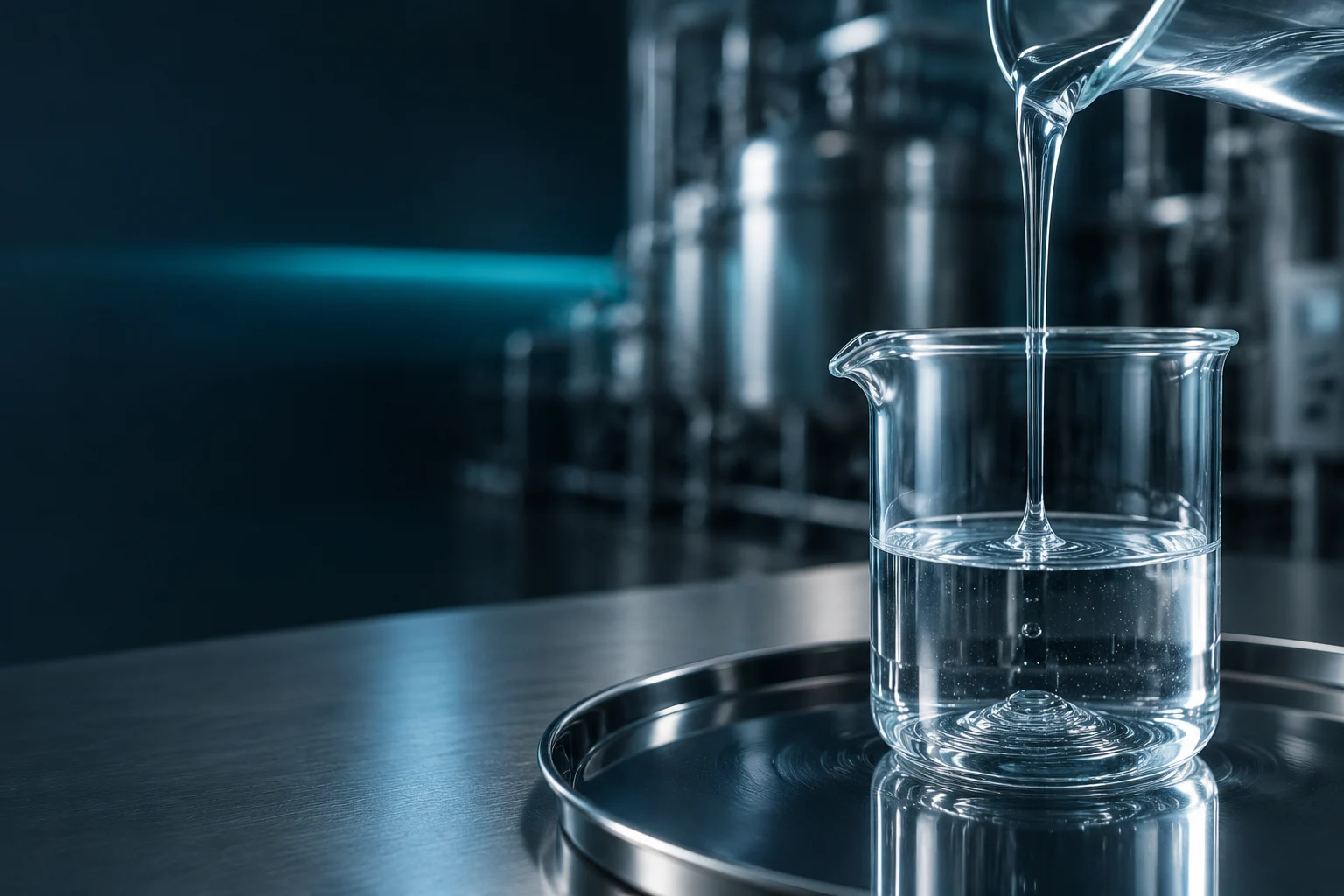
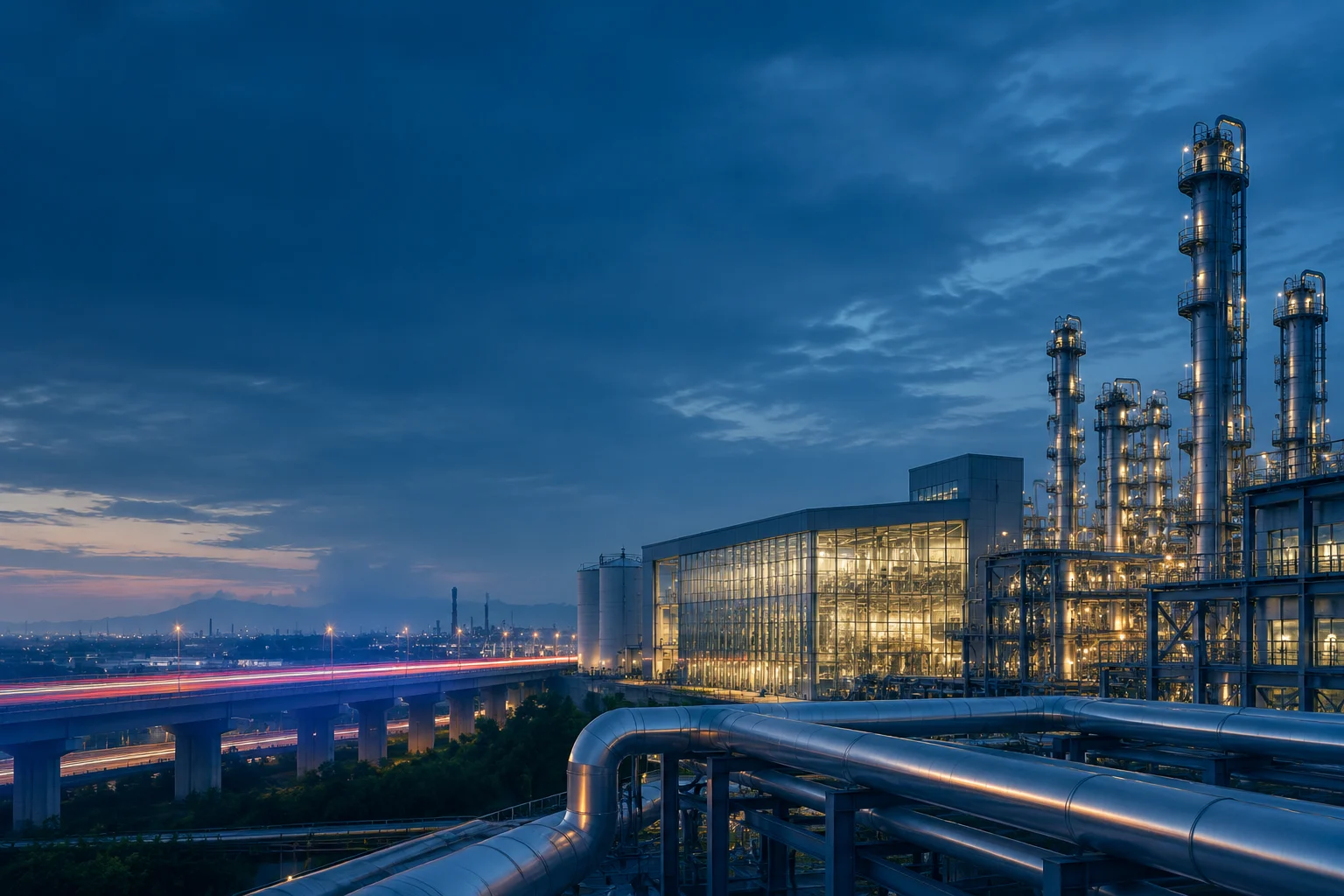
Made by Nanjing Sanfan Chemical Co., Ltd. Plant capacity 5,000 t per year in Nanjing, Jiangsu. A Si–N backbone polymer: a liquid that cures into a glass-like film at room temperature or in an oven.
- Capacity 5,000 t per year
- Export markets more than 50 countries
- Delivery methods Express, by Air
- Polysilazane types Fast curing, Slow curing, modified types, customized services
Our products
Eight series, one chemistry
A series fixes the cure route and the side groups. Choose the series first, then the grade by viscosity and hardness.




Technology
How hot can it actually go?
Depends what you ask it to do. A temperature on its own answers nothing — continuous or peak, in air or in inert gas, before or after ceramization. Tell us the part and the duty cycle, and we will quote the figure that applies.
-
Continuous in air
The temperature a coated part holds in air, hour after hour, while the film keeps its properties. A part that runs all day needs this number, not a peak.
-
Peak after ceramization
Heat converts the polymer into a ceramic, and the converted film survives a short excursion beyond its continuous limit. The number describes the film after conversion, not the resin in the drum.
-
Inert atmosphere
Under nitrogen or argon the film does not oxidise, so it tolerates more heat again. The number describes a furnace without oxygen, not the air around a working part.
Every figure on this site carries its condition: continuous or peak, in air or inert, before or after ceramization.
Why choose Sanfan
The company behind the grades
The plant is rated for 5,000 t per year.
Grades made there are shipped to more than 50 countries.
Where do you start?
-
Cures at room temperature
Two series that set in air with no oven: one that skins over quickly for a repair, one slow enough that the film levels before it sets. Room-temperature fast cure Room-temperature slow cure -
Has to ceramize
Grades that take heat past a polymer film and convert into a ceramic, for a part that sees a flame, a flue gas or a furnace atmosphere. Heat-cured Multi-cure -
Needs low surface energy
Fluorine or siloxane side groups lower the surface energy of the cured film, so water, oil and fingerprints no longer spread across it. Fluoro-modified Siloxane-modified -
One material, several cure routes
Start the same resin at room temperature, or take it into an oven when the part can stand the heat and the film has to go further. Multi-cure
Applications
Where the material is used
Nine fields where a polysilazane earns its place, and what to measure before you commit to one.

Delivery and service
- Samples
- Samples from 10 g, charged, with air freight included in the sample price.
- Production and delivery
- Industrial-scale production line, bulk filling, consistent quality, large-volume supply.
- Delivery methods
- Express, by Air
- Lead time
- In Stock
- Response time
- Within one business day
Next step